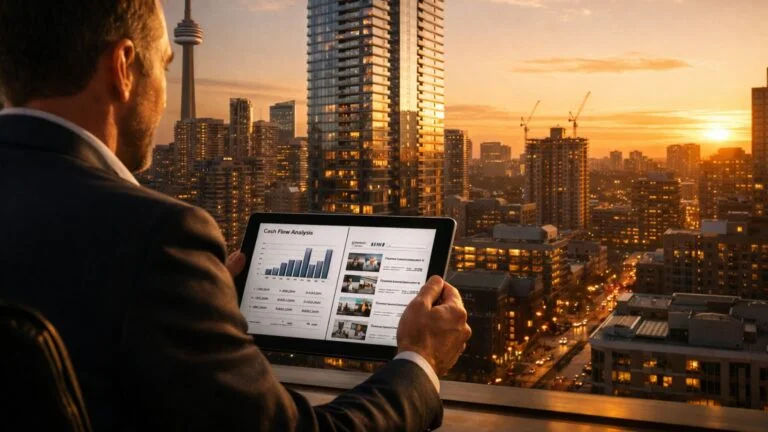

Smart contracts and blockchain technology are revolutionizing real estate by enabling faster, safer, and more transparent property transactions. These innovations remove middlemen, cut costs, and streamline the entire buying or selling process—ushering in a new era of efficiency in real estate.
In summary: Smart contracts automate real estate transactions, eliminate delays and fraud risks, and allow for fractional ownership and secure records—making real estate more accessible and efficient.
Table of Contents
- What Are Smart Contracts in Real Estate?
- Top Benefits of Blockchain in Real Estate
- Real-World Blockchain Use Cases
- Barriers to Adoption
- What’s Next for Blockchain in Real Estate?
What Are Smart Contracts in Real Estate?
Smart contracts are digital agreements written in code that automatically execute actions—like transferring ownership or releasing funds—once conditions are met. In real estate, this automation removes friction and reduces reliance on intermediaries.
- Ownership Transfers: Triggered instantly when all conditions are satisfied.
- Payment Automation: Ensures secure, timely fund transfers.
- Legal Compliance: Built-in checks to confirm transaction validity.

Top Benefits of Blockchain in Real Estate
- Streamlined Transactions: Cut deal times by up to 30% by automating steps and reducing paperwork.
- Transparency & Trust: Tamper-proof digital records give all parties equal access to verified data.
- Cost Savings: Lower fees by minimizing intermediaries like escrow services and title companies.
Ready to Unlock Your Next Home Effortlessly ?
Bridge Funds makes moving simple. Get up to $3,000 /month for six months to cover rent while we handle the sale of your old home — so you can move into your new space without the stress.
Real-World Blockchain Use Cases
1. Tokenized Property Investments
Real estate tokenization divides property ownership into digital shares, making it accessible to smaller investors and allowing for global participation.
2. Automated Mortgage Processes
Smart contracts can link blockchain identity data and automate mortgage funding and repayment, speeding up approvals and improving the borrower experience.
3. Secure Title Management
Blockchain-based title solutions like Ubitquity provide tamper-proof ownership records, reducing fraud and improving public trust in property history.
Barriers to Adoption
- Regulatory Uncertainty: Many countries lack legal frameworks for blockchain real estate transactions.
- Technical Complexity: Integration with legacy systems and cybersecurity remain challenges.
- Market Resistance: Traditional real estate players may be slow to adopt unfamiliar technology.
What’s Next for Blockchain in Real Estate?
The smart contract market is projected to reach $12.55 billion by 2032, fueled by demand for digital transformation. Regulatory bodies like the SEC are issuing blockchain guidance, opening the door for broader adoption in real estate.
FAQs About Blockchain in Real Estate
- What is a smart contract?
It’s a self-executing digital agreement coded on blockchain that carries out actions when conditions are met. - Is blockchain used in real estate today?
Yes, platforms are already using blockchain for tokenization, title management, and mortgages. - What are the risks?
Legal uncertainty and technical complexity are current challenges. - Who benefits most?
Buyers, sellers, and investors who want faster, cheaper, and more transparent transactions.
Sources: