
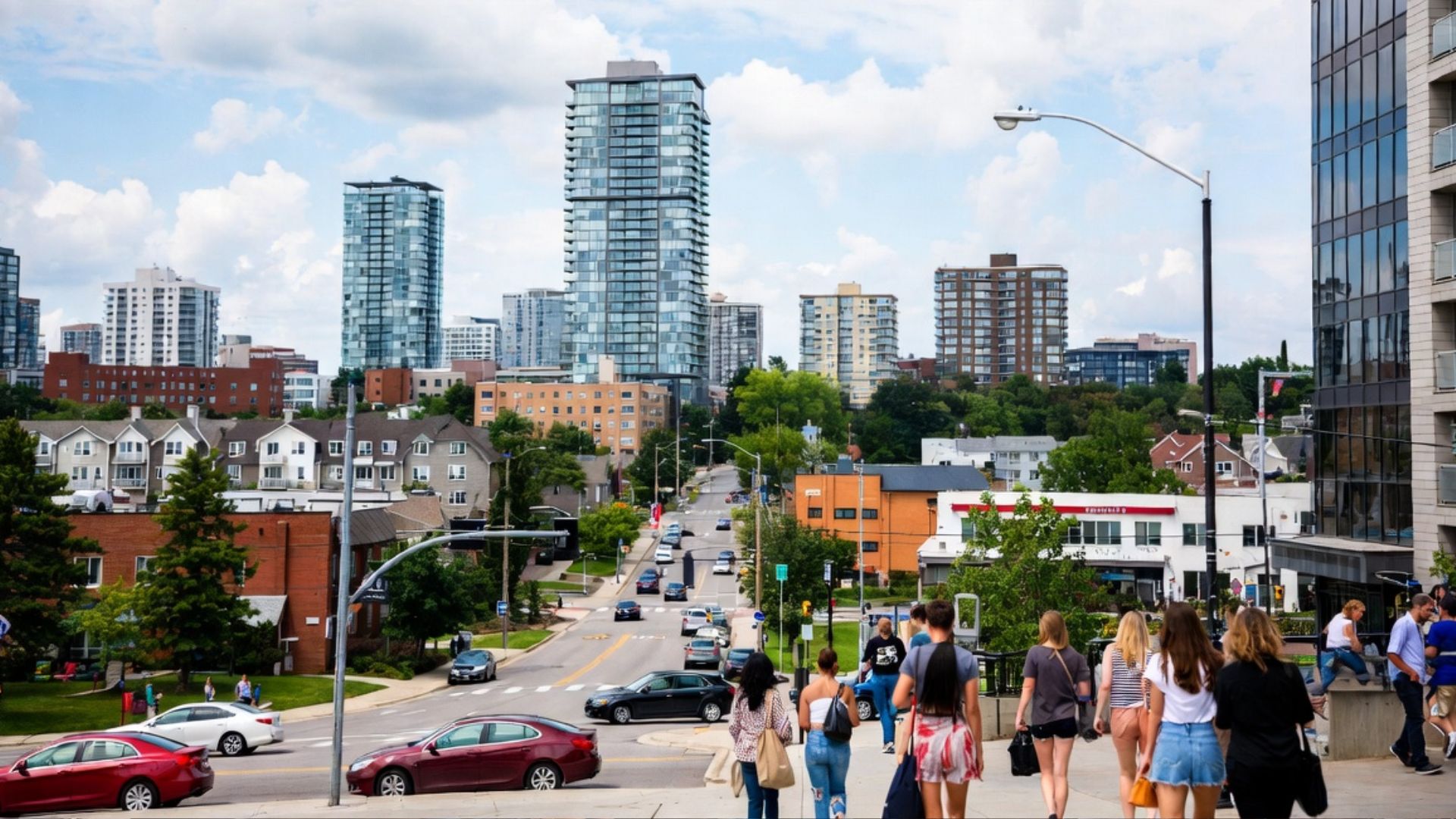
The rise of remote and hybrid work has changed more than commuting — it’s reshaping how and where Ontarians choose to live. As more people work from home even in late 2025, home‑buying priorities, neighborhood appeal, and regional housing demand are shifting sharply [1][13].
Remote Work in Ontario: What the Data Says
Telework remains a significant part of Canada’s labour landscape. According to the latest data from Statistics Canada, the share of Canadians working most of their hours from home rose from 7% in 2016 to over 20% by 2023 — a substantial increase that continues to influence living‑location decisions [1][7].
Why Remote & Hybrid Work Are Pushing Ontarians Out of Cities
For many workers, the shift to remote or hybrid work means re‑thinking the value of proximity to offices. Instead, priorities such as space, affordability, and quality of life are gaining ground — and that often points outside dense urban cores [11][19][24].
- Need more space & comfort: Home offices, extra bedrooms, outdoor space — features more common in suburban homes — are now a priority for many buyers [23][11].
- Better value for money: Detached or townhouse‑style homes outside the city often offer more square footage per dollar than high‑rise condos downtown [20][24].
- Less commuting pressure: With fewer days in the office, longer commutes become more manageable — making suburbs and smaller towns realistic options [13][5].
- Lifestyle & flexibility: Access to quality of life, green spaces, more privacy, and lower density — increasingly attractive in a hybrid‑work world [19][6].
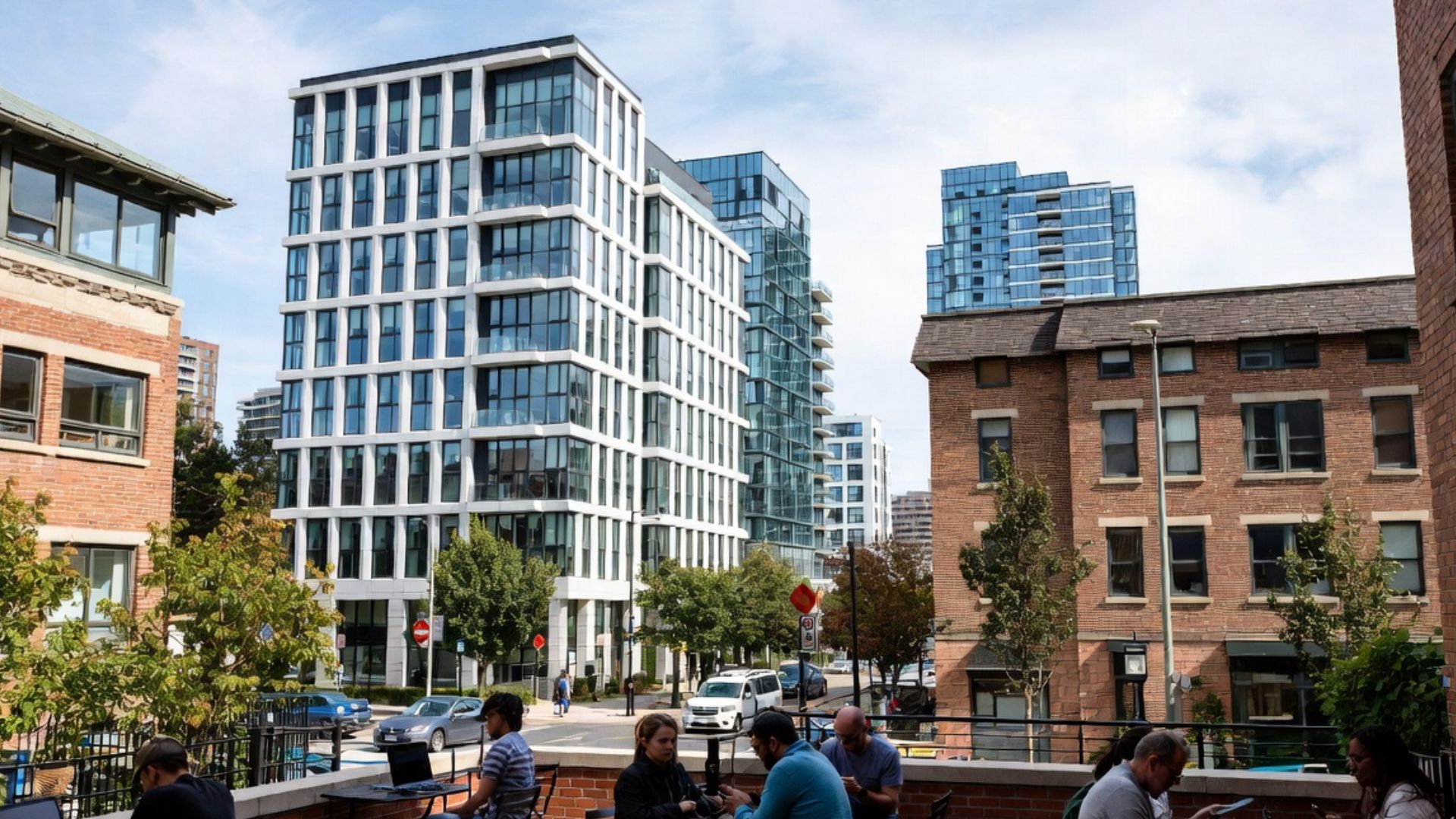
Which Regions Are Gaining from Remote‑Driven Moves
As remote work continues, many areas — both within commuting range of major urban centres and farther afield — are seeing growing interest:
- Suburbs in the GTA and 905 regions: Towns outside the core remain popular as buyers trade commute‑time savings for space and affordability [1][5].
- Secondary markets & smaller Ontario cities: Some families are looking outside Greater Toronto entirely — towns and mid-sized cities offer lower cost per square foot and more sustainable lifestyles [6][24].
- Properties suited to home‑office living: Listings with extra bedrooms, basement offices, larger lots, or quieter neighbourhood appeal more than pre‑pandemic [23][11].
Ready to Find Your Dream Home with Bridge ?
Whether you’re a first-time buyer or moving up to your forever home, Bridge guides you through every step — from tailored property searches to expert negotiations — so you can buy with confidence.
What This Shift Means for Buyers, Sellers & Investors in 2026
The remote‑work trend will continue to influence demand and pricing — but the effect will vary depending on property type, region, and buyer priorities. Here’s how different stakeholders can navigate the changing landscape:
- Buyers seeking space and value: Look outside the core — suburban or mid‑sized markets may offer more home for your money and better long‑term comfort.
- Families & long‑term owners: House or townhouse living with dedicated home office space and room to grow may beat downtown condos for value and flexibility.
- Investors & rental owners: Rental demand may shift — rental units in suburbs or smaller centres could outperform urban apartments as preferences change [24][19].
- Sellers in urban cores or commuter‑heavy suburbs: Be aware: as hybrid work reshuffles demand, some urban condos or distant‑suburb listings may see softer demand or longer time on market [4][13].
FAQs: Remote Work & Ontario Housing Choices
- Is remote work still common in Ontario?
Yes — even in 2025, many employers offer hybrid or remote options, with a notable portion of job postings reflecting flexible work arrangements [18][7]. - Should I buy a house instead of a condo if I work remotely?
If space, privacy, and a home office are priorities — and you don’t need frequent office commutes — a house or townhouse may offer better value long-term. - Are suburbs becoming the new hot spots?
For many remote/hybrid workers, yes — affordable housing, big lots, and access to amenities are attracting demand outside city cores. - Will downtown condos lose all demand?
No — some people still value urban convenience, amenities, and proximity to city-based services. Hybrid work doesn’t eliminate demand, but shifts the buyer mix. - Is now a good time to invest in suburban rentals?
Potentially — with remote work and population growth, rentals in suburbs or smaller Ontario cities may attract tenants seeking space and flexibility.
Sources:
- Statistics Canada – Working from Home in Canada (2024)
- Statistics Canada – Working from Home Rate (2023)
- Miracle Movers – Remote Work Affecting Moving Trends in Ontario (2025)
- Canadian Real Estate Magazine – Remote Work Impact on Suburban Markets (2023)
- Joe Purewal – How Remote Work Will Affect Real Estate Demand (2025)
- Elixir Real Estate – Remote Work Reshaping GTA Real Estate (2025)
- Colliers Canada – The Suburban Flight and Future of Office Demand (2025)
- Harpreet Rakhra – Remote Work Reshaping Ontario Real Estate (2025)
- Canadian Real Estate Magazine – Impact on Suburban Markets (2023)
- Robert Half – Canadian Remote Work Trends Q3 2025
- Storeys – Return to Office Wave Reshaping Housing Demand (2025)