
As many Ontario baby boomers consider their next move, downsizing has become more than just a lifestyle choice — it’s increasingly a financial and practical strategy. In 2025, rising upkeep costs, shifting housing preferences, and evolving policies are pushing more mature homeowners to rethink their space. This guide walks through timing, housing types, financial planning, emotional factors, and execution strategies tailored to Ontario boomers.
1. Why Downsizing Makes Sense in 2025
Many boomers lived through markets where holding a large family home made sense, but conditions have changed. In 2025, property taxes are rising, maintenance and repair costs are heavier, and large homes often become burden rather than advantage. At the same time, younger buyers are starved for supply when mature homeowners hold on. According to Canadian Mortgage Trends, seniors actually rarely downsize — even when it would ease affordability pressures for younger buyers. [1]
2. Choosing Your Next Home: What Works Best
Downsizing doesn’t always mean a condo in the city — the best fit depends on what trade‑offs you’re willing to accept. Key considerations include accessibility, maintenance, amenities, location, and community.
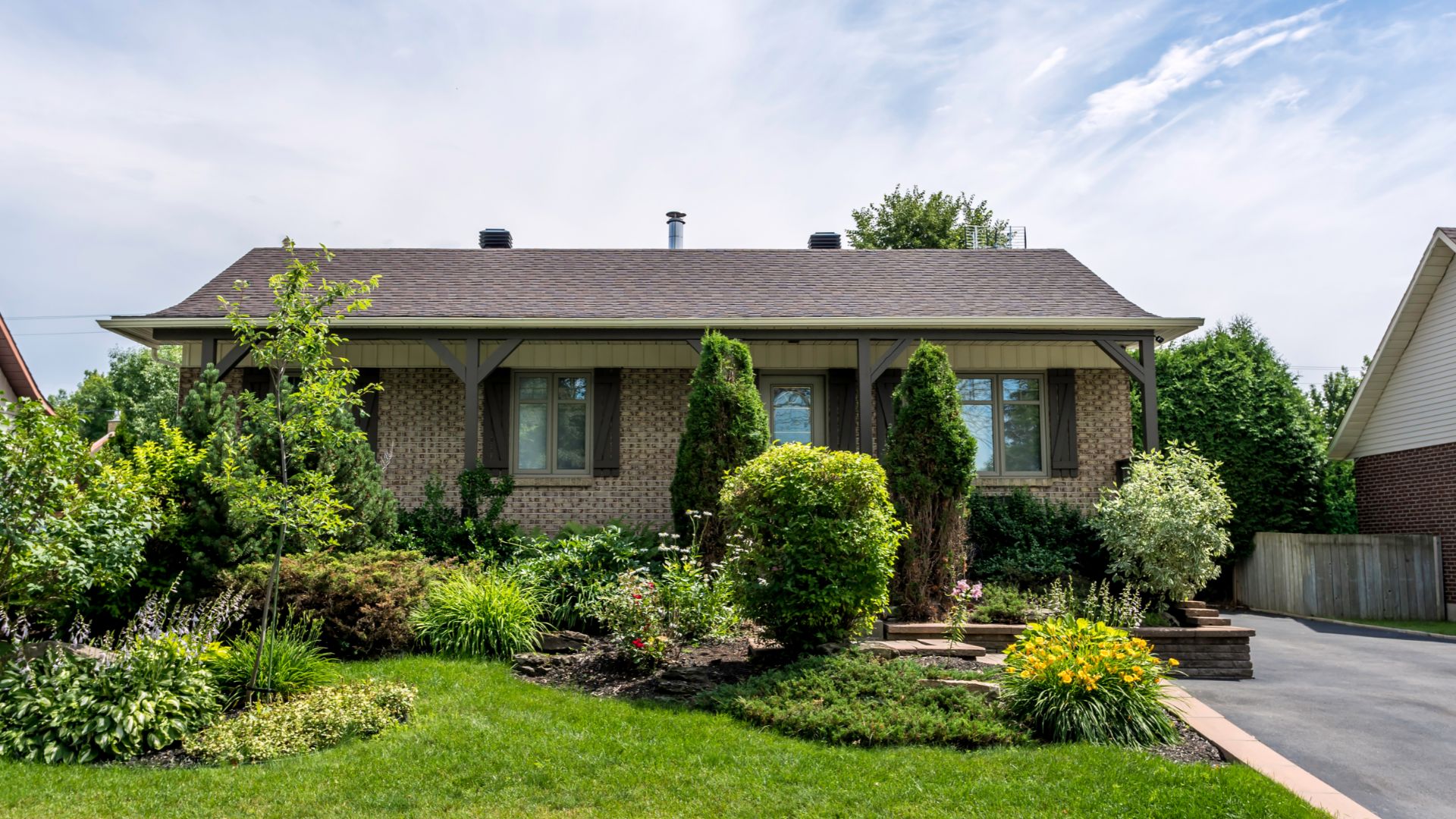
- Bungalows / ranch-style homes: Single-level living eliminates stairs and is often easier to maintain.
- Condominiums: Provide convenience, reduced exterior maintenance, security, and often shared amenities (snow removal, landscaping).
- Townhomes / row houses: A middle ground — less maintenance than detached homes, but more space and privacy than condo units.
- Retirement / 55+ communities: Designed for aging with built-in accessibility, social programming, and services.

3. Financial Planning: What to Watch
Moving from a larger home to something smaller isn’t free. Here’s how to make sure your downsize is financially wise:
- Net proceeds: Deduct real estate commissions, legal, repairs, staging, and moving costs — your “net” sale is what really counts.
- Tax & capital gains: Primary residence is usually tax‑exempt, but certain features or additional land might complicate. Consult a tax advisor.
- Monthly expenses shift: You may save on maintenance, landscaping, and utilities — but pay more in condo fees, property management, or urban levies.
- Government incentives: Some Ontario municipalities offer exemptions, rebates or reductions for seniors downsizing or moving within the region.
- Timing vs market: CMHC projects a ~2% drop in Ontario home prices through 2025. [2] Waiting too long may erode margins.
Ready to Find Your Dream Home with Bridge ?
Whether you’re a first-time buyer or moving up to your forever home, Bridge guides you through every step — from tailored property searches to expert negotiations — so you can buy with confidence.
4. Executing the Move—Step by Step
Downsizing can be emotionally and logistically challenging. A clear plan helps reduce disruption and regrets.
- Start decluttering early: Months ahead, reduce possessions that don’t suit the new lifestyle.
- Stage for smaller spaces: Use multi‑purpose furniture, simplify décor, and emphasize spaciousness.
- Partner with specialist agents: Realtors who understand mature sellers manage emotional and logistic hurdles.
- Coordinate closings: Plan your sale and move dates to avoid overlap and reduce interim housing costs.
- Prepare for accessibility upgrades: Even in a downsized home, small modifications (ramps, lever handles) smooth future mobility.

5. Emotional & Lifestyle Considerations
Leaving a longtime family home isn’t just a financial decision — it’s emotional. Address these factors to ease the transition.
- Legacy and memories: Photograph and preserve parts of the old home (woodwork, features) before letting them go.
- Family involvement: Bring children or close ones into the decisions — less guilt and fewer regrets.
- Community ties: If location matters, prioritize closeness to friends, institutions, and social support.
- Future flexibility: If health changes, ensure your home or community can adapt (e.g. assisted living, retrofit).
FAQs: Downsizing Questions Boomers Ask
- Will I lose money by downsizing?
Not necessarily — with smart planning and cost awareness, you can often retain or even increase equity. - Is fall a bad time to sell?
It’s not ideal, but less competition and good staging can help. Timing with market trends matters more. - Do you lose tax benefits?
Your primary residence exemption stays, but check on specific features and land that might reel in capital gains rules. - What size is right?
A lot of downsizers aim for ~1,100–1,600 sq ft, balancing comfort and manageability.
Sources: