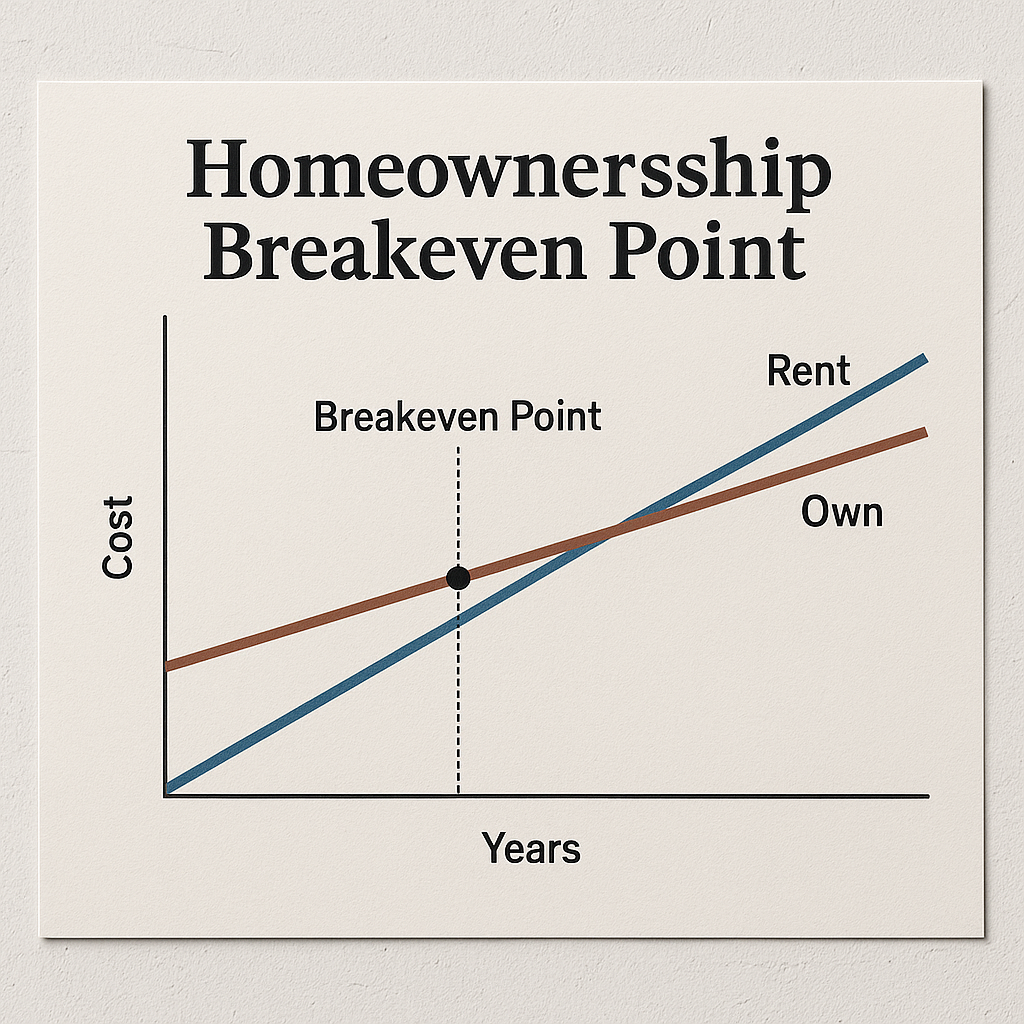
Understanding the home buying break-even timeline is crucial for potential homeowners in Ontario.
This timeline helps buyers grasp when they will start to see a return on their investment. In a dynamic market, knowing the break-even point can inform your purchasing decision.
What is a Home Buying Break-Even Timeline?
The home buying break-even timeline refers to the period it takes for a homeowner to recoup their initial investment. This timeline includes factors like:
- Down payment
- Closing costs
- Monthly mortgage payments
- Home appreciation trends
- Related costs (like property tax and maintenance)
Understanding this timeline helps you determine the financial viability of purchasing a home in Ontario.
Factors Affecting Your Break-Even Timeline
Several key factors will influence your home buying break-even timeline:
1. Down Payment and Closing Costs
Your initial outlay significantly impacts how long it takes to break even. A larger down payment can shorten your timeline. Typical closing costs in Ontario range from 1.5% to 4% of the purchase price.
2. Monthly Mortgage Payments
The size of your mortgage affects monthly payments. A higher mortgage increases expenses, extending your break-even timeline. Additionally, interest rates play a crucial role. Lower rates can help you save money and achieve break-even sooner.
3. Home Appreciation
The rate at which your home appreciates can significantly affect your break-even timeline. In a hot market, appreciate can be rapid, thus shortening your timeline. Research historical trends in your area to understand potential growth.
4. Property Taxes and Maintenance Costs
Ongoing expenses also need consideration. Property taxes can consume part of your monthly budget. Similarly, maintenance costs can fluctuate, impacting your overall financial picture. Keeping these costs in mind is essential for accurate planning.

Calculating Your Break-Even Timeline
Here’s a simple method to compute your break-even timeline:
Step 1: Determine Total Costs
Add your down payment to closing costs and estimate your first year of ongoing costs, including:
- Property taxes
- Insurance
- Maintenance
Step 2: Calculate Annual Appreciation
Identify the potential annual appreciation of your home. In Ontario, historical appreciation averages can be between 3% to 6%. Use this to predict future home value.
Step 3: Break-Even Point Formula
Use the break-even point formula:
Break-Even Timeline = Total Costs / Annual Appreciation
This will give you an approximate idea of how long it will take to reach your break-even point.

Making Informed Decisions
Having a clear understanding of your home buying break-even timeline empowers you to make informed decisions. Here are some tips for navigating the Ontario real estate market effectively:
- Research Local Markets: Stay updated on market trends in your desired areas.
- Consult Professionals: Engage with real estate agents, mortgage brokers, and financial advisors.
- Budget Wisely: Ensure all costs are accounted for in your financial planning.
- Be Patient: The right home will come along; don’t rush decisions based on trends.
As you pinpoint your break-even timeline, remember that buying a home is more than just a financial investment—it’s a personal decision too.

Final Thoughts
Navigating the complexities of the home buying break-even timeline may seem daunting at first. Yet, with the right information and strategies, you can make informed decisions that suit your financial situation.
Whether you’re a first-time buyer or an experienced homeowner looking to relocate, understanding this timeline can guide you to a promising investment in Ontario’s real estate market.
Looking to buy or sell this season? Contact Bridge today.