
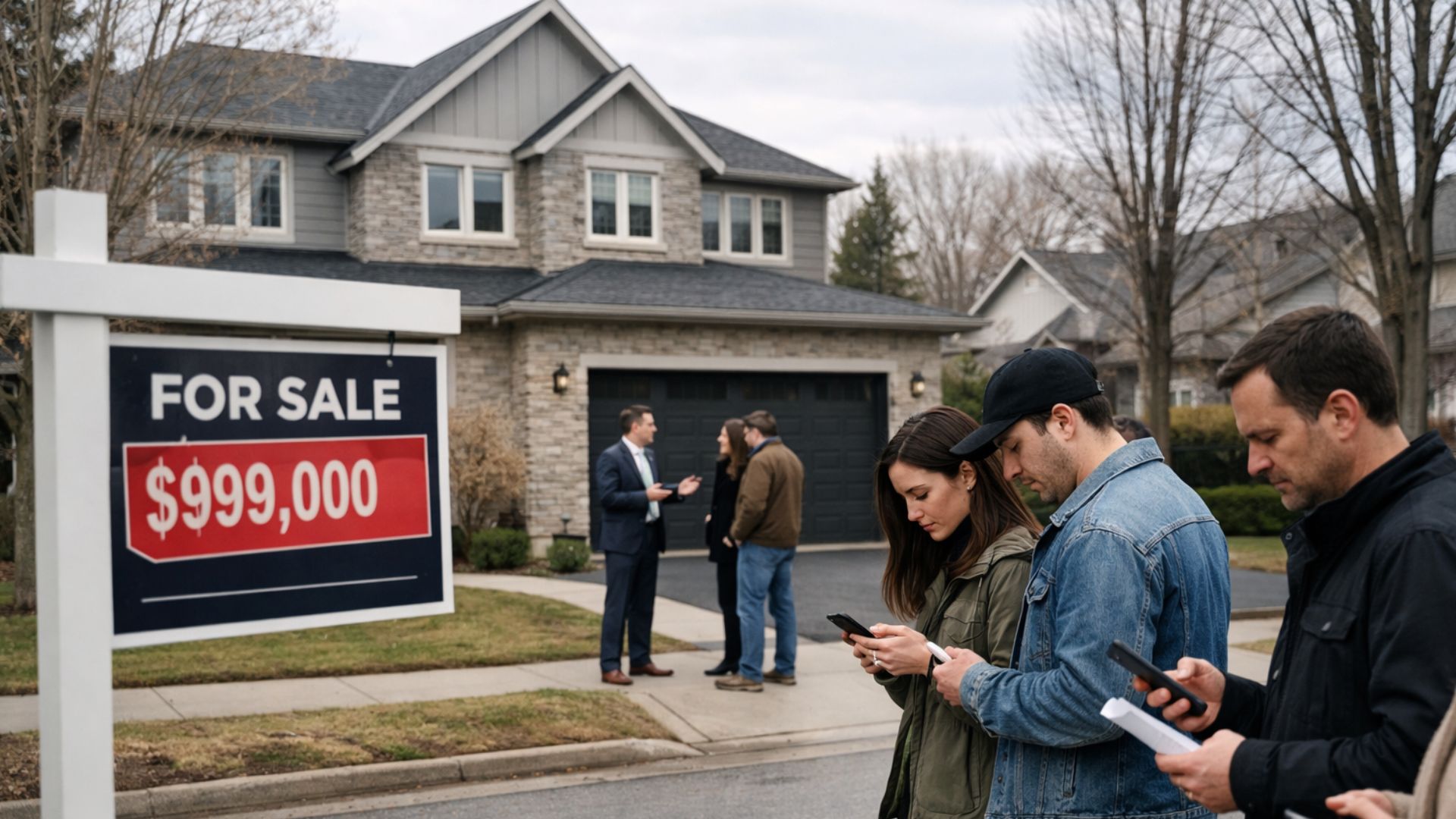
The home pricing reality in Ontario in 2026 is clear: buyers are far more price-sensitive than in previous years. While the market is still active, rising inventory levels and more cautious buyers mean that properties priced above comparable sales often sit longer on the market. Sellers who adapt to current pricing conditions are far more likely to attract offers and complete successful transactions.
In summary: The home pricing reality in Ontario today is that strategic pricing matters more than ever. Properties priced realistically tend to generate stronger buyer interest, while overpriced listings risk extended market time, price reductions, and reduced negotiation leverage.
Table of Contents
- Understanding the Home Pricing Reality in Ontario
- How Rising Inventory Is Changing Pricing Strategy
- Why Buyer Behaviour Has Changed
- 5 Smart Pricing Strategies Sellers Are Using
- Common Overpricing Mistakes to Avoid
Understanding the Home Pricing Reality in Ontario
For several years, Ontario’s housing market was characterized by rapid price growth and intense competition. Sellers often priced homes lower to encourage bidding wars that pushed the final sale price higher.
In 2026, the home pricing reality has shifted. While demand remains strong in many areas, buyers now have more options due to increased listing inventory in several Ontario markets.
According to market reports from the Toronto Regional Real Estate Board, the number of active listings across the Greater Toronto Area has risen compared with the tighter supply conditions seen earlier in the decade. This means sellers must compete more directly with other listings when setting their price.
How Rising Inventory Is Changing Pricing Strategy
When inventory levels increase, buyers gain more choice. Instead of competing aggressively for a limited number of homes, they can compare multiple listings and negotiate more carefully.
This market dynamic reinforces the current home pricing reality: properties priced above recent comparable sales may struggle to attract serious interest.
- Listings priced accurately attract more showings
- Competitive pricing can generate stronger offers
- Homes priced too high may require later price reductions
- Extended market time can weaken seller leverage
In contrast, homes that enter the market with realistic pricing often benefit from stronger buyer engagement early in the listing period.
Ready to Sell Your Home with Confidence ?
Bridge provides expert seller representation that maximizes your property’s value. From strategic pricing and marketing to negotiations and closing, our team ensures a seamless selling experience.
Why Buyer Behaviour Has Changed
Ontario buyers in 2026 are approaching home purchases with more analysis and caution compared with earlier years. Mortgage affordability remains a key consideration, and buyers are paying closer attention to pricing relative to comparable sales.
According to data from the Canadian Real Estate Association, buyers across Canada have become more selective as interest rates remain higher than the ultra-low levels experienced during the pandemic housing boom.
This change in buyer behavior reinforces the importance of accurate pricing from the beginning of the listing process.

5 Smart Pricing Strategies Sellers Are Using in 2026
Sellers who understand the current home pricing reality often use strategic pricing techniques to maximize exposure and buyer interest.
- Analyze recent comparable sales rather than relying on peak market prices.
- Price competitively within the local market range to attract early buyer attention.
- Consider buyer affordability thresholds when selecting a listing price.
- Monitor market response during the first two weeks of listing.
- Adjust pricing quickly if necessary to maintain momentum.
These strategies help ensure that listings remain competitive even in markets with higher inventory levels.
Common Overpricing Mistakes to Avoid
Overpricing is one of the most common mistakes sellers make when entering the market. While it may seem beneficial to start with a higher price and reduce later, this strategy can create unintended consequences.
- Buyers may skip the property entirely if it appears overpriced.
- Extended days on market can signal reduced demand.
- Multiple price reductions may weaken negotiating power.
- Final sale prices can end up lower than if the home were priced correctly from the start.
Understanding the home pricing reality allows sellers to position their property competitively while maximizing potential buyer interest.
Conclusion
The Ontario housing market in 2026 continues to evolve as inventory levels rise and buyers approach purchases with greater caution. Sellers who recognize the current home pricing reality and price their properties strategically are more likely to attract qualified buyers and achieve successful outcomes.
If you’re planning to sell your home, understanding current market conditions and pricing strategies can help ensure your property stands out in today’s competitive environment.
FAQs About Home Pricing Reality
- What is the home pricing reality in Ontario in 2026?
The home pricing reality in Ontario today reflects more balanced market conditions. Increased listing inventory and cautious buyers mean accurate pricing is essential for attracting offers. - Why do overpriced homes sit longer on the market?
Overpriced homes often receive fewer showings because buyers compare listings with recent comparable sales and prioritize competitively priced properties. - Should sellers reduce the price if a home is not selling?
If a property receives limited interest after several weeks, adjusting the price to better match market expectations may help increase buyer engagement. - How do real estate agents determine the right listing price?
Agents typically analyze comparable recent sales, market inventory levels, and buyer demand to recommend a competitive listing price.
Sources:
- Toronto Regional Real Estate Board Market Reports
- Canadian Real Estate Association Housing Market Data
- Bank of Canada Interest Rate Updates
- Canada Mortgage and Housing Corporation Housing Market Outlook