
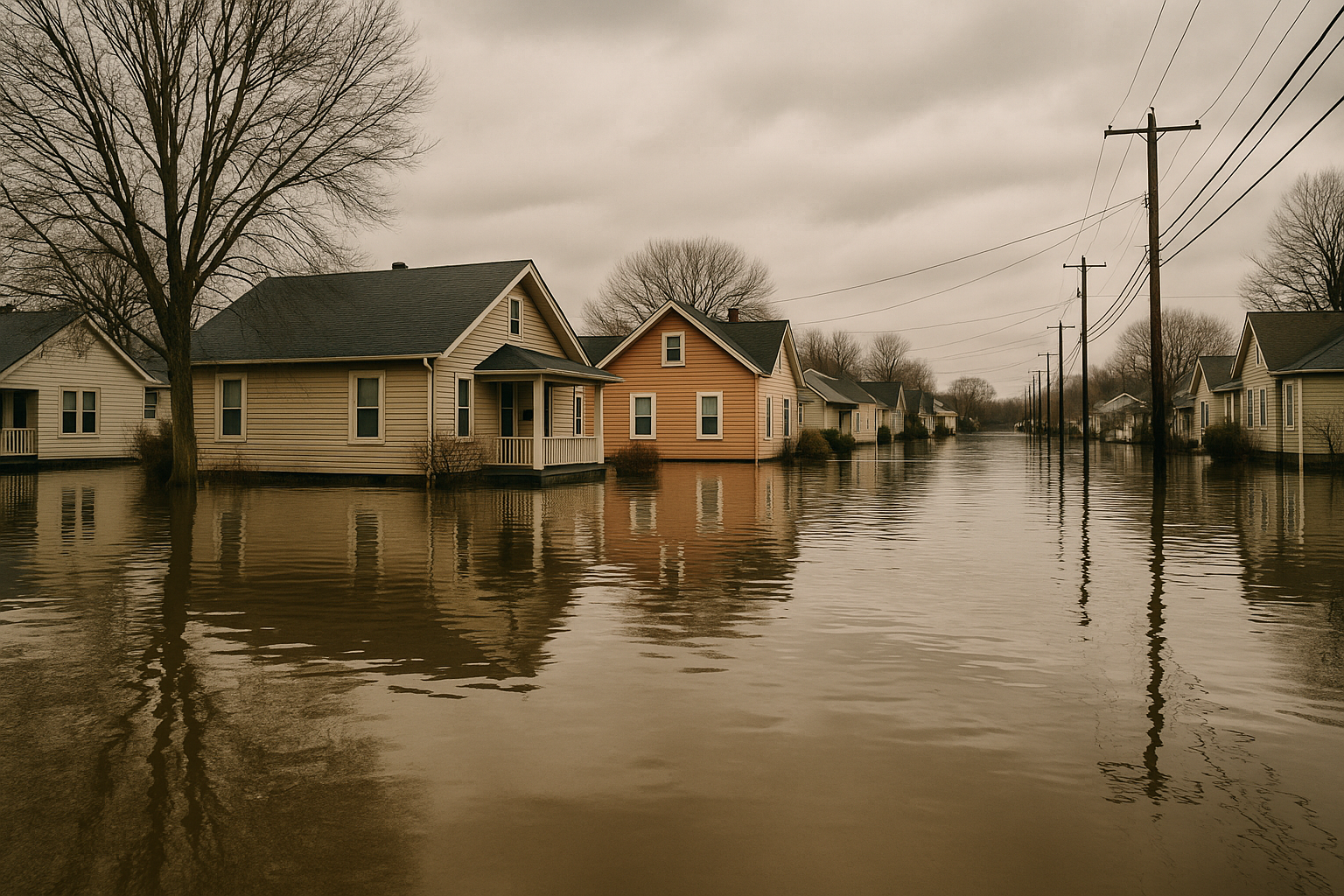
Climate change is reshaping the real estate landscape in Canada.
Understanding Climate Change and Its Impact on Real Estate in Canada
Climate change poses significant risks to various sectors, including real estate. Buyers and sellers must consider how these changes could affect property values, insurance costs, and even living conditions.
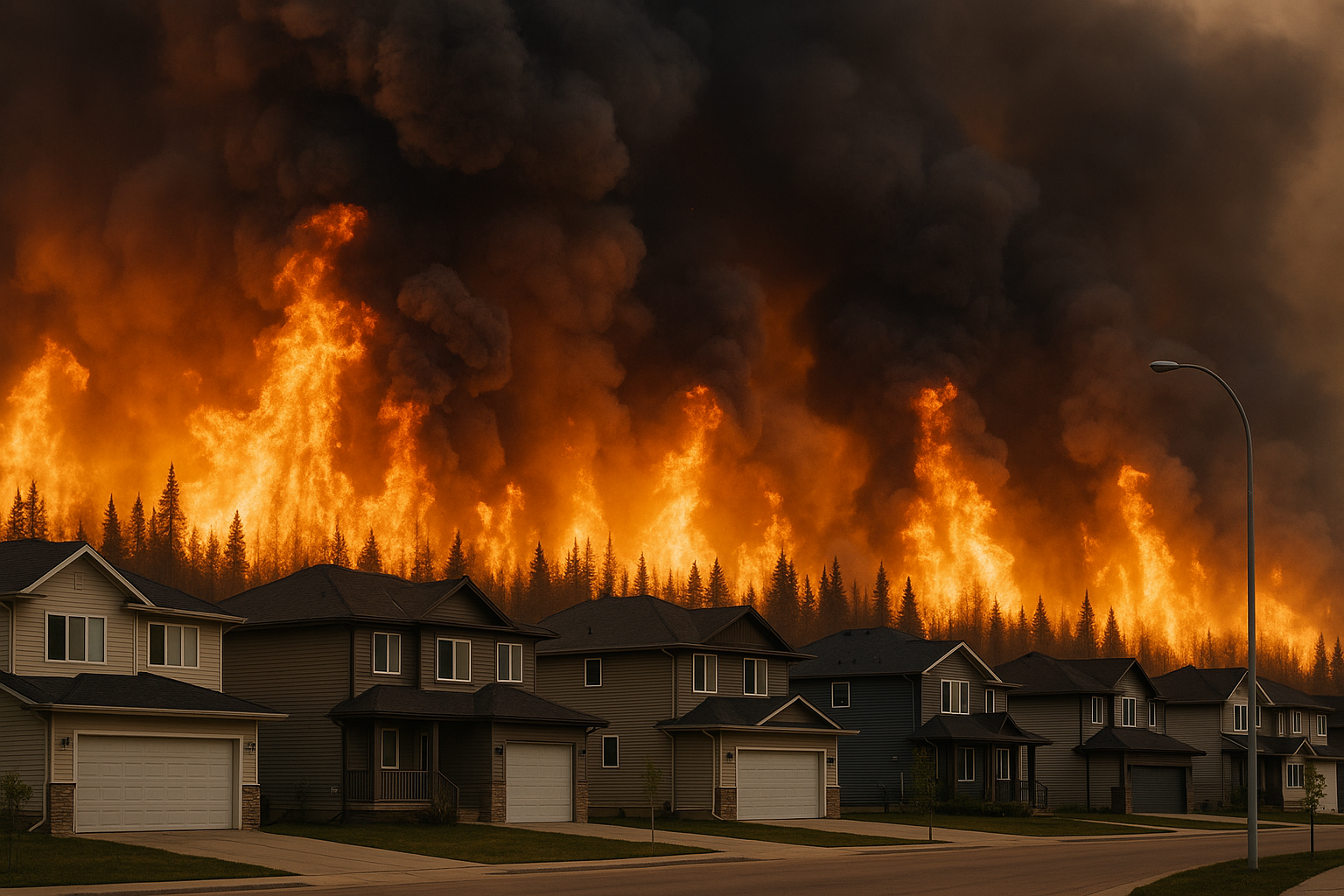
The Effects of Climate Change on Real Estate Markets
As temperatures rise and weather patterns shift, several implications arise for real estate:
- Rising Sea Levels: Coastal properties may face increasing risks of flooding.
- Extreme Weather: Events like hurricanes, wildfires, and heavy storms can damage homes and infrastructure.
- Heatwaves: Increased temperatures may lead to higher demand for climate-resilient properties.
- Insurance Costs: Properties in high-risk areas may see rising insurance premiums or even be deemed uninsurable.
These factors force buyers and sellers to think critically about their real estate decisions.
Evaluating Properties in a Changing Climate
When looking at properties, it’s crucial to evaluate their resilience against climate change. Here’s what to consider:
- Location: Is the property in a flood zone or wildfire-prone area?
- Building Materials: Are the materials used durable and resistant to extreme weather?
- Energy Efficiency: Does the home have energy-efficient systems to combat rising energy costs?
- Community Preparedness: Is the community actively preparing for climate-related events?
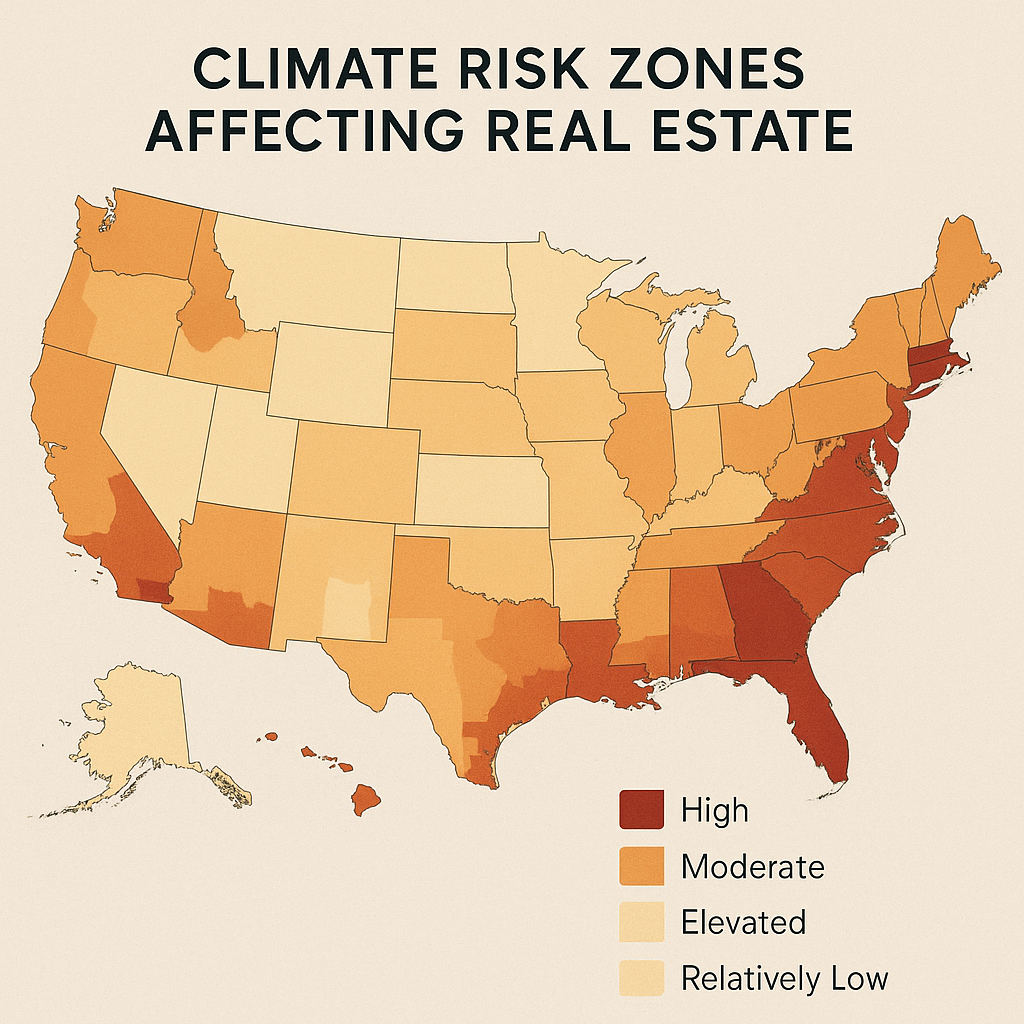
Potential Opportunities in Climate-Resilient Real Estate
While climate change presents risks, it also offers unique opportunities:
- Green Building: Properties built with sustainability in mind can attract eco-conscious buyers.
- Government Incentives: Many programs support energy-efficient renovations and upgrades.
- Future-proofing: Investing in climate-resilient properties can yield long-term savings.
- Emerging Markets: Areas less impacted by climate change may see increased interest from buyers.
Making Informed Decisions as a Buyer or Seller
Whether you’re a buyer or seller, understanding the implications of climate change in real estate transactions is vital. Here are some tips:
- Research: Look into climate-related statistics for the area.
- Consult Experts: Work with real estate professionals knowledgeable about climate change.
- Invest in Inspections: Comprehensive inspections can identify vulnerabilities.
- Stay Updated: Keep abreast of local regulations and incentives related to climate change.

Conclusion
Climate change is a significant factor affecting the Canadian real estate market. Being proactive and well-informed can help you navigate potential challenges and opportunities. Buyers and sellers alike should prioritize resilience in their real estate decisions.
Looking to buy or sell this season? Contact Bridge today.