Calming home design can transform any space into a serene sanctuary.
What is Calming Home Design?
Calming home design focuses on creating a peaceful and tranquil living environment. This style incorporates elements that soothe the mind and promote relaxation. Here are key features of calming home design:
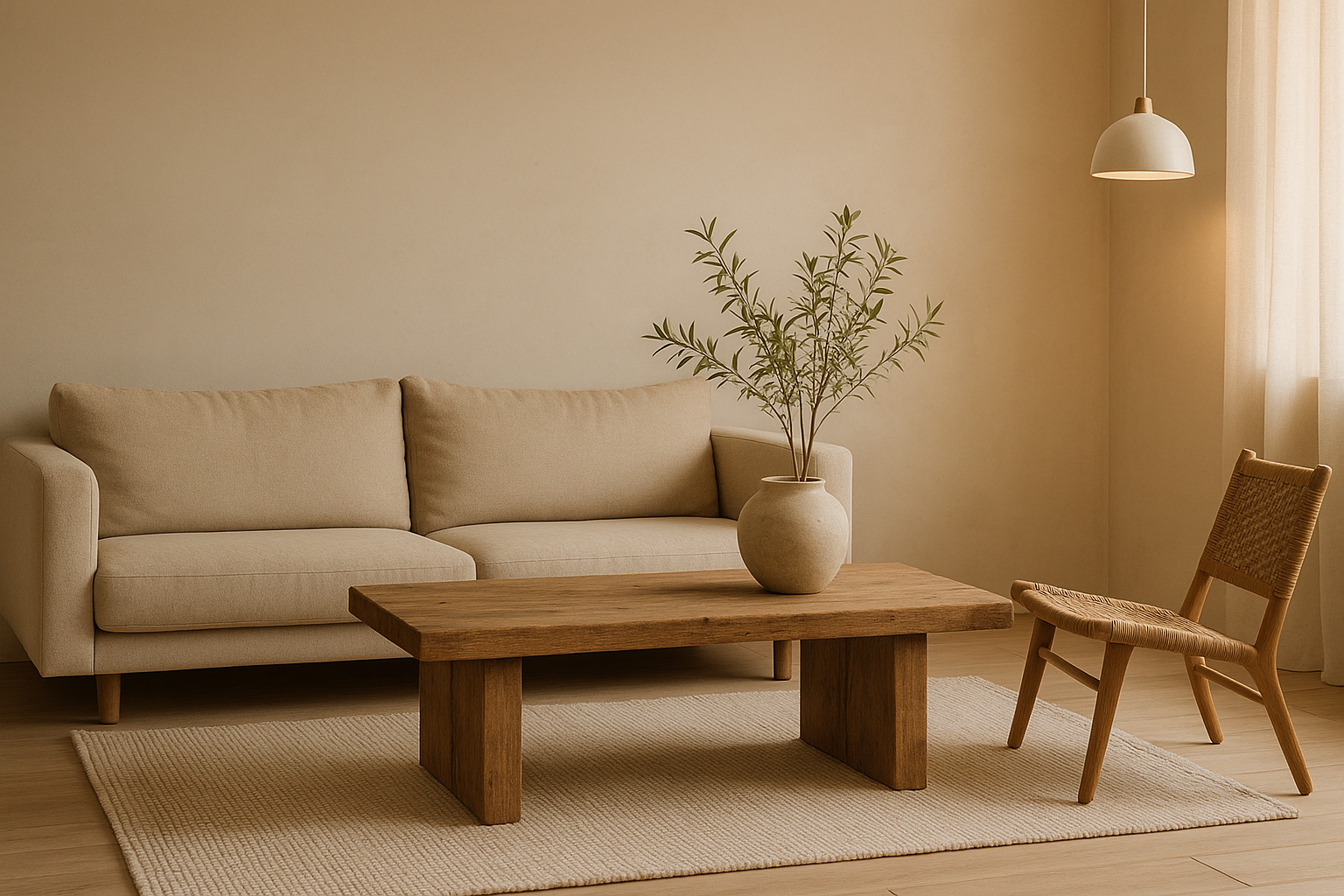
- Neutral Color Palettes: Soft colors like whites, beiges, and soft blues create a calming atmosphere.
- Natural Elements: Incorporating wood, plants, and stone can enhance a sense of connection to nature.
- Minimalism: Reducing clutter helps to foster a feeling of peace and organization.
- Soft Textures: Using cozy fabrics in throws, pillows, and rugs adds warmth and comfort.
Key Principles of Calming Home Design
1. Color Choices Matter
The colors you choose can greatly impact your mood. Consider these tips:
- Opt for pastel shades for a soft, airy feel.
- Use earth tones to create a grounding effect.
- Include accents of greenery to bring life and vibrancy.
Natural colors harmonize beautifully. They encourage relaxation and focus.

2. Incorporate Nature
Bringing the outdoors in can transform your space. Here’s how:
- Use indoor plants to purify the air and improve wellbeing.
- Choose natural materials for furniture and decor.
- Maximize natural light with sheer curtains or open layouts.
3. Focus on Texture
Textures play a crucial role in creating a calming atmosphere. Mix and match:
- Use soft textiles like cotton and linen for comfort.
- Incorporate woven elements in baskets and rugs.
- Consider smooth surfaces like glass or polished wood for contrast.
Variety creates interest while maintaining a soothing vibe.
4. Declutter and Simplify
A cluttered space can lead to a cluttered mind. Here are some decluttering tips:
- Evaluate what you truly need and what serves a purpose.
- Organize spaces regularly to maintain a sense of calm.
- Use storage solutions to keep items hidden but accessible.
A clean, clear space allows for clarity and relaxation.

Bringing Calming Design to Your Ontario Home
Implementing calming design principles is not just for new homes. You can transform your existing spaces, too. Here are a few suggestions:
- Update Paint Colors: A fresh coat of paint in soft hues can do wonders.
- Replace Heavy Drapes: Switch to lighter fabrics to let in more light.
- Incorporate Art: Choose serene artwork that reflects nature or abstract designs.
These small changes can have a big impact on the overall feel of your home.
Conclusion
Calming home design is about creating a peaceful space that reflects your personality while promoting serenity. By focusing on color, nature, texture, and minimal design, you can develop a nurturing environment.
The effort invested today can greatly enhance your daily living experience. Design is not just about aesthetics; it’s about how a space makes you feel.
Looking to buy or sell this season? Contact Bridge today.