

Ontario is witnessing a pivotal shift: zoning reforms aimed at permitting more duplexes, triplexes and mid-rise developments in formerly single-family neighbourhoods are gaining traction—enabling what is known as “missing middle” housing across urban and suburban markets.
What Is the “Missing Middle” and Why It Matters
“Missing middle” housing types fall between detached homes and high-rises—duplexes, triplexes, townhouses, fourplexes, and mid-rises. They were once common but have been zoned out of many areas. These models increase affordability and diversify housing options [3][2].
- Gentle density: Adds housing supply without drastic change to neighbourhood character [3].
- Affordability: Smaller units can cost less than detached homes or high-rise condos [2].
- Location efficiency: Enables families to live closer to work, transit, and amenities [1].
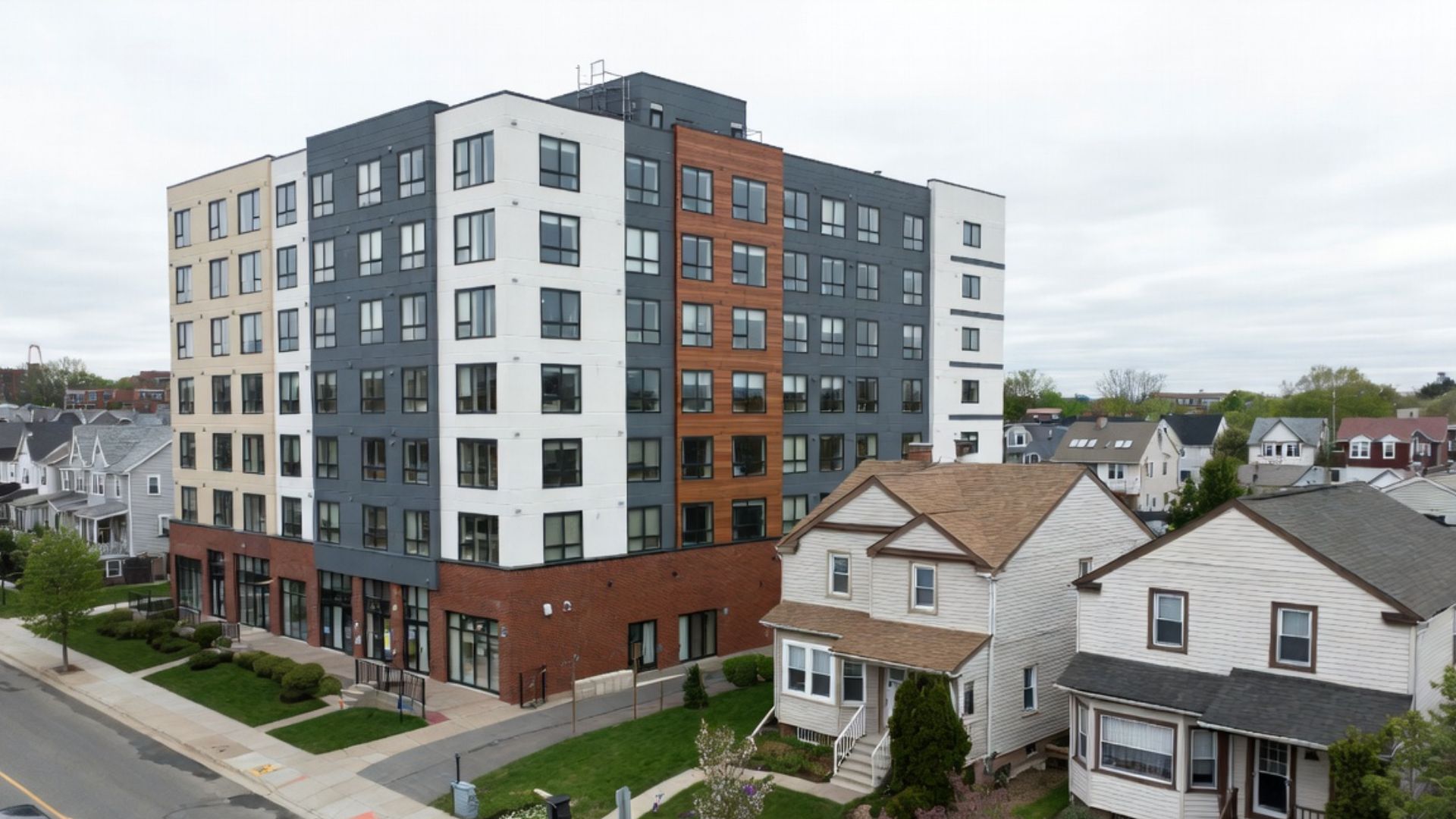
Zoning Reforms in Ontario & Early Progress
Through the Expanding Housing Options in Neighbourhoods (EHON) initiative and legislative updates like the More Homes Built Faster Act, municipalities now permit multiplexes and mid-rise buildings in more areas. Toronto alone expects 54,600 units through EHON by 2031 [1].
- As-of-right zoning: Multiplexes allowed without full rezoning in low-rise zones [1].
- Pre-zoned avenues: Mid-rises permitted along major corridors to increase supply [1].
- Updated fees: Development charges reviewed for fairness on small projects [1].
Early Impact: What We’re Seeing in 2025
Cities are mapping priority areas and developers are responding to new zoning rules. Initiatives like EHON are becoming central to housing supply strategies. BILD and TRREB are calling for broader implementation [1][3].
Ready to Build with Confidence. Partner with Bridge Developers. ?
From planning vibrant new communities to delivering sustainable homes, Bridge’s developer team brings expertise, innovation, and trusted partnerships to every project. Let’s shape the future together.
Challenges & What’s Next for Ontario
- Feasibility: Small developers face high costs per unit [2].
- Local resistance: NIMBYism, design rules, and parking standards remain barriers [2].
- Infrastructure: More residents require scaled transit, schools, and services [1].
FAQs: Missing Middle Housing in Ontario 2025
- What qualifies as “missing middle”?
Duplexes, triplexes, fourplexes, townhomes, and small mid-rises [3]. - Is this housing affordable?
Generally more affordable than detached homes or condos due to size and land efficiency [2]. - Where are reforms happening?
Toronto, Mississauga, Hamilton, and others have passed or proposed changes [1]. - Can homeowners build these?
In many cases, yes—homeowners can now add duplexes or garden suites [1]. - How much of new supply will this form?
Toronto projects 19% of new homes by 2031 from missing middle initiatives [1].
Sources:
- City of Toronto – Missing Middle and Mid-rise Housing Implementation Initiative
- University of Waterloo – Exploring the “Missing Middle” in Ontario
- Evergreen & Canadian Urban Institute – What is the Missing Middle?