
The Ontario real estate market forecast depends heavily on the shifts seen throughout 2025 — from cooling prices to record inventory to construction slowdowns. Buyers, sellers, and investors entering the 2026 market must understand how these metrics work together to expose opportunities, reduce risk, and time the market strategically [1][2].
What 2025’s Data Tells Us About 2026
Ontario closed 2025 with one of the most unique real-estate environments in a decade: elevated supply, soft sales, slower construction, and price moderation. These trends give us a clearer foundation for anticipating 2026 conditions:
- Prices dropped ~6.3% year-over-year: The province saw material price relief, especially in high-inventory regions like Durham, Hamilton, and Niagara [3].
- Sales volume remained soft: GTA sales dipped about 9–10% Y/Y, reflecting buyer hesitation and affordability challenges [4].
- Active listings reached decade highs: More inventory than demand created favourable conditions for buyers — especially in detached and townhome segments.
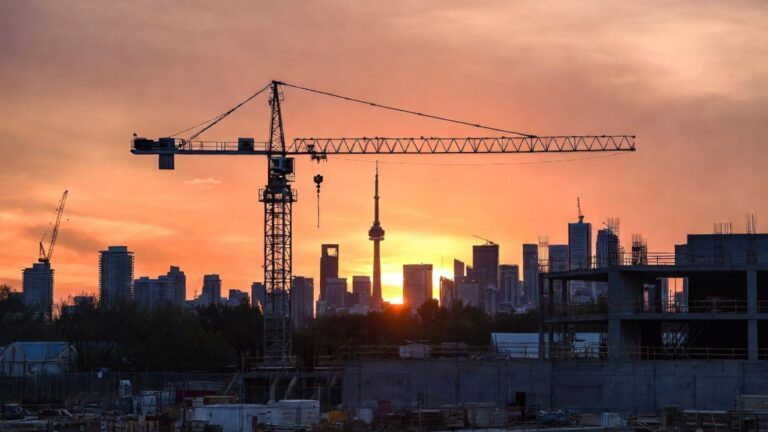
- Construction starts collapsed: CMHC reported new condo starts dropping to multi-decade lows in 2025, creating a future supply gap that will play into 2027–2028 pricing [5].
- Interest rates held high longer than expected: Rate sensitivity shaped affordability across every major market.

Ontario Real Estate Market Forecast 2026: Key Expectations
Major institutions like RBC, RE/MAX, and CMHC anticipate a cautiously optimistic 2026, with the market leaning toward stability — not explosive growth:
- Moderate price stabilization: With inflation cooling and anticipated rate cuts, prices may flatten or rise slightly (1–3% range) depending on region [1][6].
- Gradual pickup in sales: Once rates begin easing, sidelined buyers are expected to re-enter — especially first-time buyers recovering borrowing power.
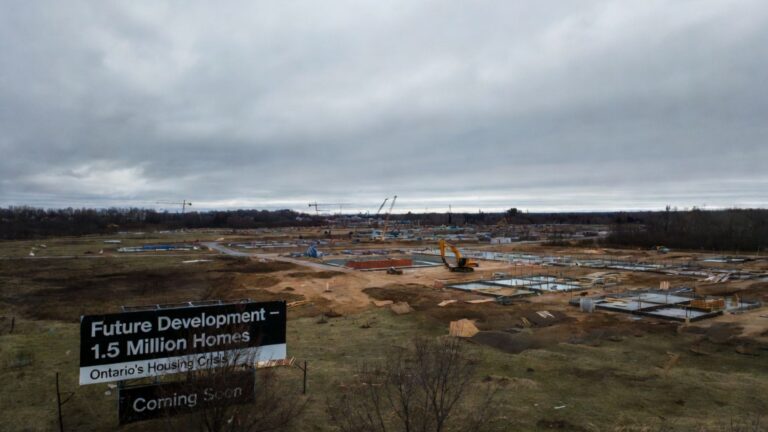
- Tighter supply in new construction: 2025’s steep drop in condo and multi-unit starts will squeeze inventory in 2027–2028 — but early effects begin showing in late 2026.
- Competitive pockets return: Neighbourhoods with scarce listings (e.g., certain Toronto freehold pockets, Guelph, Waterloo) may see bidding return moderately.
- More balanced conditions province-wide: High-inventory regions like Hamilton, Niagara, Barrie, and Ottawa may see the most buyer-friendly conditions persist into 2026.
How Buyers Can Use 2025 Stats to Make a Smarter 2026 Move
For buyers entering 2026, here’s how to use 2025’s metrics to your advantage:
- Target high-inventory zones: Areas with heavy 2025 supply typically offer better negotiating leverage early in 2026.
- Watch rate announcements: Even one or two rate cuts can change affordability by tens of thousands — timing matters.
- Track micro-market price floors: Some sub-markets have hit stabilizing levels; buyers can spot bottom-of-market conditions with a strong CMA and trendline review.
- Lock-in before supply tightens: With construction down sharply, pre-construction and resale supply may tighten again by late 2026.
- Leverage seller concessions: Credits, repairs, closing flexibility, and conditional offers are still negotiable in early 2026.
Ready to Find Your Dream Home with Bridge ?
Whether you’re a first-time buyer or moving up to your forever home, Bridge guides you through every step — from tailored property searches to expert negotiations — so you can buy with confidence.
How Sellers Should Prepare for the 2026 Market
Sellers can also use the 2025 dataset to position strategically for 2026:
- Expect more competition than pre-2020 norms: Even with stabilization, inventory won’t vanish overnight.
- Price based on 2025’s corrected values — not 2021 peaks: Buyers are data-driven and won’t pay fantasy prices.
- Elevate presentation: With buyers comparing everything online, staging + pro media remain essential.
- Highlight upgrades and energy efficiency: These ranked high on buyer priorities in 2025 and carry into 2026.
- Act early if listing: Listing ahead of a potential spring surge may give you a competitive window.
Investor Insights: What 2026 Means for Returns & Strategy
Investors navigating Ontario’s 2026 landscape should remain analytical and patient — but opportunities are emerging:
- Watch for rate cuts improving cash flow: This is especially key for condos and multiplex investors.
- Anticipate rental demand shifts: Migration + lower building starts = tightening rental conditions.
- Target undervalued mid-tier cities: Hamilton, London, Kitchener, Windsor, and Niagara remain strong opportunity corridors.
- Be cautious with pre-construction: Until cancellation risk subsides, resale offers safer stability.
- Hold long-term: 5–10 year horizons align best with Ontario’s macro supply/construction trends.
FAQs: Ontario Real Estate Market Forecast 2026
- Will prices rise in 2026?
Most forecasts point to flat-to-modest growth (1–3%) depending on region. Expect stabilization more than a surge [6]. - Will interest rates fall?
Yes — most banks project gradual rate cuts through 2026 as inflation cools. - Is 2026 better for buyers or sellers?
Early 2026 favors buyers; late 2026 may shift balanced as demand returns. - Will supply stay high?
Active listings remain elevated early in 2026, but low new builds may tighten supply later in the year [5]. - Is now a good time to invest?
Yes — for long-term investors focused on fundamentals, not short-term appreciation.
Sources:
- RBC Economics – Canadian Housing Outlook 2025–2026
- Nesto – Ontario Housing Market Outlook (2025)
- WOWA – Ontario Housing Market Stats (2025)
- TRREB – Market Watch Summary (2025)
- CityNews/CMHC – Condo Starts & Supply Data (2025)
- RE/MAX – 2026 Housing Market Forecast