
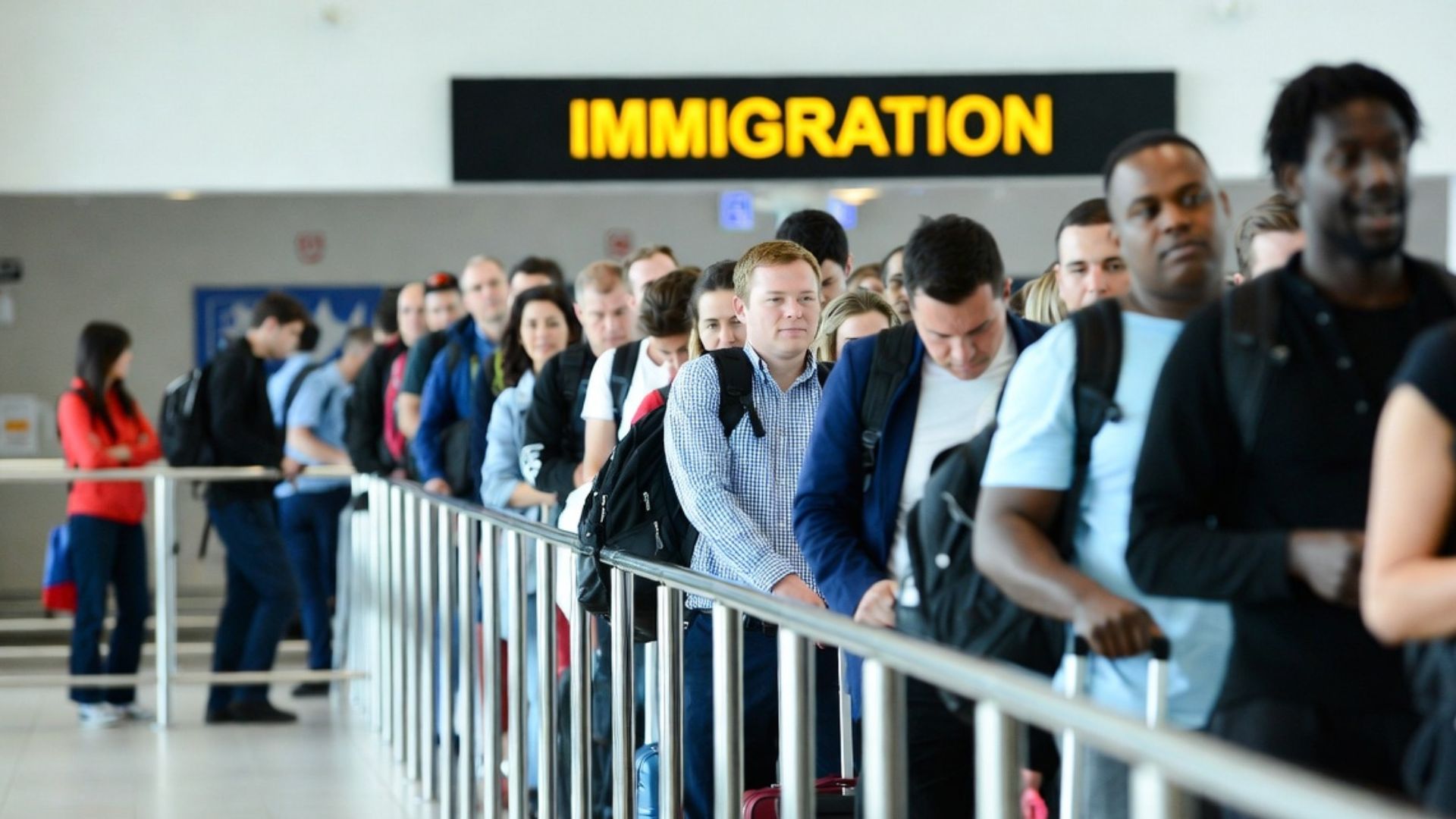
With Canada and Ontario continuing to set high immigration and population‑growth targets for 2026, understanding how those numbers translate into housing demand will be critical for buyers, sellers and investors. The pressure on supply — especially in urban‑ and mid‑size centres — means 2026 could bring renewed competition, rental stress, and opportunities for savvy market players [1][2].
Ontario’s Demographic Momentum: What the Projections Show
The demographic outlook for Ontario remains strong over the next several years. According to provincial population projections, the population is expected to grow significantly over the coming decades — which implies more demand for housing units as households form and grow [3].
In recent years, surges in immigration and non‑permanent residents have accelerated population growth more sharply than historical norms. From 2021‑22 to 2022‑23, Ontario saw population jumps far above long-term averages — driven largely by newcomers [4].
Why Immigration and Population Growth Fuel Housing Demand
Here’s how immigration and population growth translate directly into increased demand for homes across Ontario:
- More households forming, faster: As new immigrants and younger Ontarians establish independent households, the number of units needed rises — not just in rental, but also ownership and family housing [5][3].
- Higher demand for both rental and ownership homes: Immigrants tend to occupy more housing units per capita than Canadian-born residents — whether rental apartments early on, or households moving into ownership over time [6].
- Pressure on supply in major and mid-sized centres: In many Ontario municipalities, housing supply lags behind rapid population growth — a gap that pushes up both rental demand and resale pressure [7][8].
- Strain on affordability and available choices: Rapid growth — especially concentrated in urban centres — squeezes supply, which can drive up prices and rents when supply-building lags behind demand [9]

2025–2026 Outlook: What Immigration Policy Means for Housing Markets
With national immigration targets still elevated and the labour‑driven immigration stream expected to make up a large share of newcomers in 2027–2028, the near‑term impact on Ontario housing markets is significant [10][5].
- Steady rental demand growth: Many newcomers and temporary residents start as renters — this keeps pressure high on rental markets, especially in urban regions like the GTA, Ottawa, and mid‑size cities [6][9].
- Strong resale and ownership demand: As immigrants settle long‑term, demand for entry-level condos, townhomes and family homes rises — creating upward pressure on ownership markets too [6]
- More competition in desirable markets: Areas with weak supply pipelines will likely see rising competition, making timing and positioning important for buyers and investors.
- Potential for stretched vacancy and affordability issues: Without a significant boost in construction, vacancy rates may tighten and rental/price inflation may reappear.
Ready to Sell Your Home with Confidence ?
Bridge provides expert seller representation that maximizes your property’s value. From strategic pricing and marketing to negotiations and closing, our team ensures a seamless selling experience.
What This Means for Buyers, Investors & Policymakers
Understanding demographic and immigration‑driven demand helps different market players position effectively in 2026:
- Buyers: Entry-level homes, condos, townhomes — especially in growing mid‑size cities — may offer long-term value as demand grows with population.
- Investors (rental): Rental properties remain in demand given influx of newcomers — purpose-built rentals or multi-unit buildings may generate steady returns.
- Policymakers & developers: There’s urgent need to accelerate housing supply, reduce zoning and regulatory constraints, and plan for both rental and ownership demand [8][7].
- Long-term planners: Given Ontario’s projected population growth through 2050s, demand for diverse housing types — from apartments to family homes — will increase steadily [3][12].
FAQs: Immigration, Population Growth & Housing Demand in Ontario
- Does more immigration always mean higher home prices?
Not necessarily — while immigration adds to demand, prices also depend on supply, interest rates, and local housing stock [10][7]. - Will rental demand increase or ownership demand?
Both — many newcomers begin in rental housing, but over time demand shifts toward ownership as families settle [6]. - Can increased housing supply keep up with demand?
That remains a key challenge — Ontario has struggled with supply bottlenecks and regulatory barriers, especially in high‑growth regions [8][1]. - Are mid‑size cities better bets than big urban centres?
Potentially — with population growth spreading beyond major cities, smaller and mid‑size centres may see strong demand and more affordable supply. - Should investors be cautious?
Yes — while demand is high, returns depend on rental supply, interest rates, and long‑term occupancy. Do due diligence before investing in speculative growth areas.
Sources:
- IRCC / Government of Canada – Immigration & Housing Prices Study (2025)
- Province of Ontario – Demographic Trends & Projections (2024)
- Ontario Population Projections (2024–2051)
- Central 1 Economics – Ontario Economic Briefing (2025)
- Parliamentary Budget Officer – Household Formation & Housing Stock (2025)
- Statistics Canada – Housing Use of Immigrants and Non‑Permanent Residents (2025)
- Fraser Institute – Population Growth & Housing Starts (2025)
- Fraser Institute – Barriers to Housing Supply in Ontario & GTA (2024)
- TD Economics – Impact of Immigration Reduction on Rental Demand (2025)
- IRCC – Immigration Levels Plan 2025–2028 (2025)
- Parliamentary Budget Officer – Long‑Term Housing Demand Projections (2025)