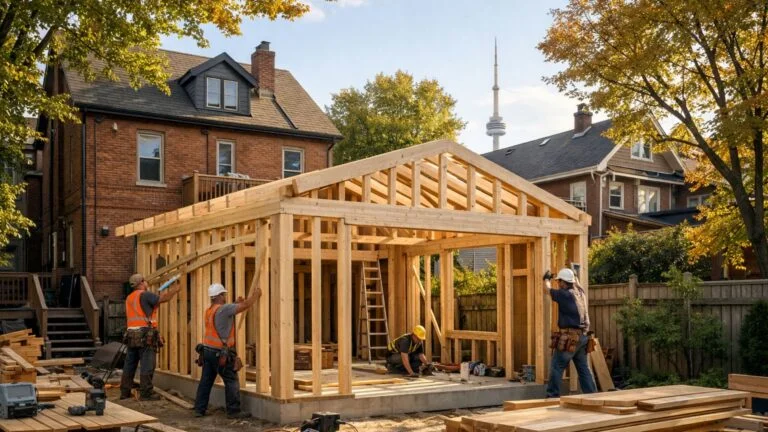

Green homes Ontario are becoming more viable in 2025 thanks to stronger incentives, technological advances, and growing buyer demand for energy-efficient living.
In Ontario, the green home movement is gaining real momentum. With rising energy costs, climate pressures, and more government support, eco-homes are not just a niche—they’re an increasingly strategic play in real estate. In this article, we explore the incentives available in 2025, typical green upgrades, cost vs savings, market trends, and what it means for buyers, sellers, and builders.
Key Incentives & Programs for Green Homes in Ontario (2025) Canada Greener Homes Grant & Initiative
- The Canada Greener Homes Initiative allows homeowners to receive grants (typically up to $5,000) for eligible energy-efficiency retrofits (insulation, windows/doors, heat pumps, renewable systems) plus funds for pre/post energy audits. [1][7]
- To participate, you need to receive a pre-retrofit EnerGuide evaluation and follow through with eligible upgrades, then submit a post-retrofit evaluation. [1]
- The program also offers interest-free loans from $5,000 up to $40,000 to support larger retrofits. [1]
Ontario’s Home Renovation Savings Program (HRS) / New Rebates
- Launched January 28, 2025, the Home Renovation Savings Program offers rebates of up to 30% for qualifying energy-efficient upgrades (insulation, windows, heat pumps, solar, etc.). [2]
- This program works in collaboration with Save on Energy and Enbridge Gas. [3]
- Note: Some previous rebate programs have been ended or replaced. For example, the Home Efficiency Rebate under Enbridge ended intake as of January 27, 2025. [4]
Enbridge Gas / Home Efficiency Rebate Plus (HER+)
- The Home Efficiency Rebate Plus (HER+) partners with the Greener Homes Grant to provide more generous combined rebates. [4]
- Eligible upgrades and rebate amounts under HER+ include:
• Home energy assessments: up to $600 [4]
• Insulation (attic, walls, floors): up to $10,000 [4]
• Air sealing / draft proofing: up to $1,300 [4]
• Windows & doors: up to $325 each [4]
• Space / water heat pumps (ENERGY STAR certified): up to $6,500 [4][5]
• Smart thermostats: up to $125 [4]
• Solar panels: up to $5,000 [4][6]
• Weatherproofing measures (e.g. flood/fire resilient upgrades): up to $1,625 [4] - Applicants must complete the post-retrofit energy assessment by December 1, 2025, and submit all documentation by December 31, 2025. [4][7]
HVAC / Heat Pump Rebates & Upgrades
- In 2025, rebates for heat pump installations are among the largest incentives available, with up to $12,000 depending on system type and home heating fuel. [5]
- Cold climate air source heat pumps (ccASHP) qualify for rebates ($1,250 per ton for electrically heated homes up to a cap) under the new programs. [5]
- Ground-source / geothermal heat pumps may qualify for rebates up to $12,000 under the new regime. [5]
Other Supporting Incentives
- Peak Perks & Save on Energy programs: homeowners can earn $75 for reducing electricity demand during peak periods. [6]
- Local / municipal programs: e.g. City of Toronto’s Home Winterproofing program offers free insulation, draft proofing, and a smart thermostat for qualifying households.

Common Green Home Upgrades & Their Benefits
- Insulation & air sealing: improves thermal performance, reduces heating/cooling loads.
- High-efficiency windows & doors: reduces drafts and energy loss.
- Heat pumps (space & water heating): can use up to 60–70 % less energy than conventional systems in many climates.
- Solar photovoltaic (PV) systems: generate on-site clean electricity, reduce grid dependency.
- Smart thermostats & controls: optimize usage, reduce waste, especially during peak periods.
- Weather resilience / climate adaptation upgrades: flood-resistant materials, fire-resistant materials, improved drainage etc.
Cost vs Savings, Return on Investment
- Many upgrades can pay for themselves over 5–15 years via energy bill savings, especially when rebates reduce upfront cost.
- For solar, homeowners can reduce or offset monthly electricity bills, though full ROI depends on usage, orientation, and generation capacity.
- Heat pumps, in particular, often become one of the most cost-effective upgrades when combined with rebates.
- The infographic idea: Compare total installed cost vs rebate-adjusted cost vs expected annual savings for insulation, heat pump, solar, and window upgrades.
Ready to Transform Your Home with Expert Renovations ?
From kitchen remodels to full-home transformations, Bridge delivers renovations that blend style, function, and value. Our team helps homeowners upgrade with confidence and lasting quality.
Market Trends & Buyer Demand
- Growing buyer awareness and preference for energy-efficient homes are creating a premium for eco-homes in some markets.
- Eco-homes may sell faster, especially to sustainability-conscious buyers or those comparing lifecycle costs.
- Builders that integrate green design from the ground up (passive house, net-zero ready) are differentiating in a crowded market.
- Incentives and subsidies help reduce the barrier to entry, further enabling green home adoption in Ontario.
What This Means for Buyers, Sellers & Builders
For Buyers
- Prioritize homes with recent green upgrades or potential for upgrades.
- Use incentives to reduce cost; evaluate payback period carefully.
- Work with qualified energy advisors and contractors.
- Request energy performance documentation (EnerGuide, RE audits).
For Sellers
- Highlight green upgrades, energy cost savings, and incentives in your listing.
- Provide buyers documentation (pre/post retrofit evaluation, rebate certification) to build trust.
- Consider making small improvements (smart thermostat, insulation) pre-listing to improve appeal.
For Builders / Developers / Agents
- Market eco-friendly features as value differentiators, not just “nice to have.”
- Stay current on incentive programs and design homes that make upgrades easier (solar-ready roofs, proper insulation envelope).
- Partner with local energy advisors to streamline retrofit or build processes.
FAQs
- Are the incentives too good to be real?
No — many are backed by federal + provincial funds. But they require following the proper audit / retrofit / documentation steps. - Can I stack multiple rebates?
Yes — many programs (e.g., HER+, Greener Homes, HRS) are designed to work in tandem, though you must follow eligibility rules. Enbridge Gas+2Save on Energy+2 - Do I need an energy audit first?
Yes. For most programs, you must complete a pre-retrofit energy evaluation before doing upgrades. Then a post-retrofit audit confirms compliance. Natural Resources Canada+2Natural Resources Canada+2 - What if I don’t qualify for certain rebates?
You may still benefit from upgraded energy efficiency, reduced bills, and improved home value — though the payback period might be longer. - Can renters / condo owners benefit?
Some incentives apply to multi-unit buildings, or landlords can implement upgrades. It’s more complex, but possible depending on building type and ownership.
Sources
- “Canada Greener Homes Initiative” — Natural Resources Canada
- “Ontario Launches New Energy Efficiency Programs” — Ontario Government News
- “Home Renovation Savings Program” — Save on Energy
- “Home Efficiency Rebate Plus (HER+)” — Enbridge Gas
- “Top HVAC Rebates in Ontario 2025” — Dynamic Heat & Cool
- “Save on Energy — For Your Home Programs” — Save on Energy
- “Eligible Retrofits & Grant Amounts — Canada Greener Homes” — Natural Resources Canada
- “Peak Perks Program” — Save on Energy
- “Energy Efficiency Programs for Ontario Homeowners” — ThinkInsure