
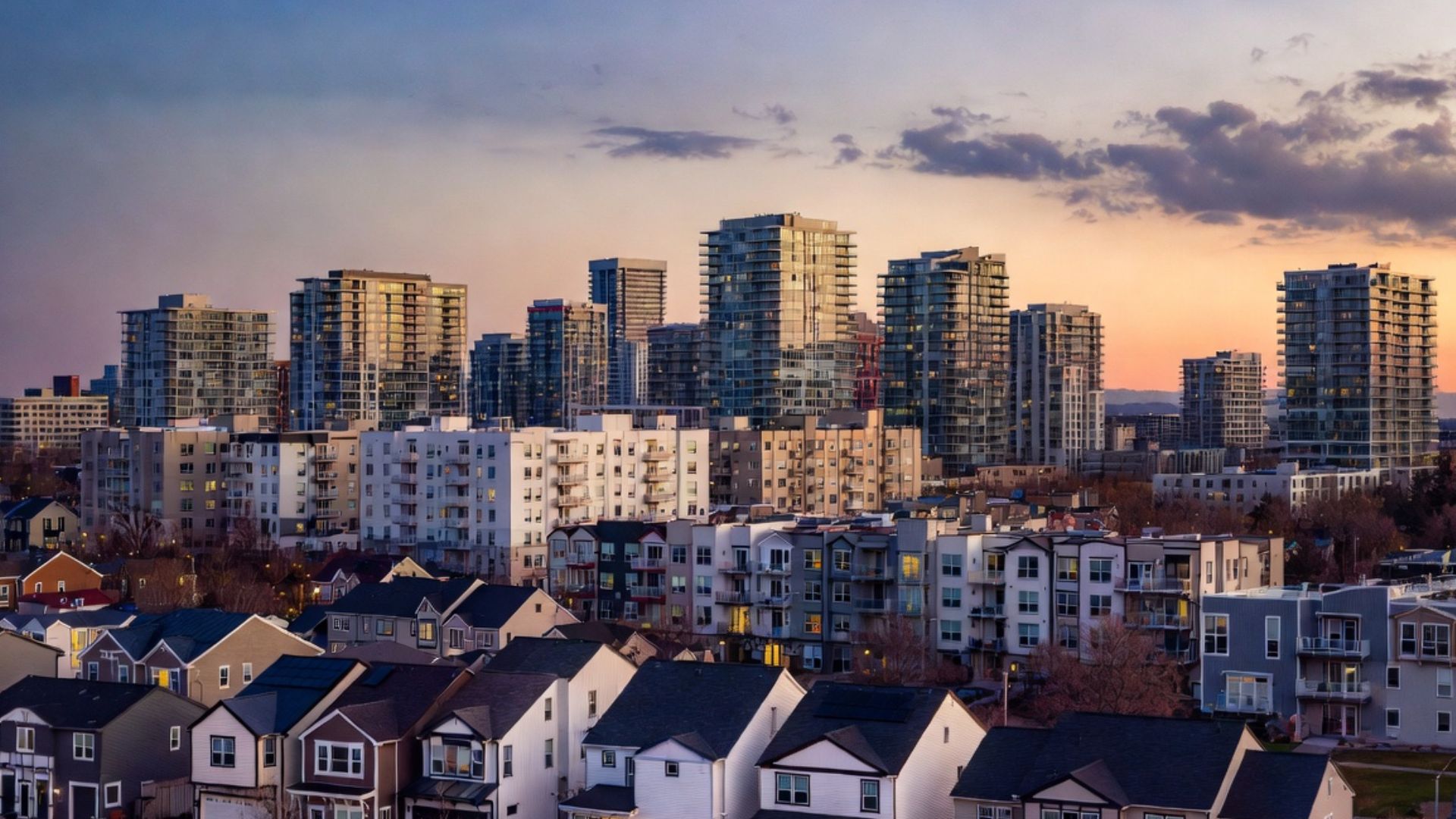
The Ontario real estate market forecast depends heavily on the shifts seen throughout 2025 — from cooling prices to record inventory to slower new builds. Buyers, sellers, and investors entering the 2026 market must understand how these metrics work together to highlight opportunities, reduce risk, and time the market strategically [1][2].
What 2025’s Data Tells Us About 2026
Ontario closed 2025 with one of the most unique real‑estate environments in a decade: elevated supply, soft sales in many regions, slower construction, and overall price moderation. These trends set a clearer foundation for anticipating 2026 conditions:
- Price moderation and downward pressure: National‑level forecasts from RBC Economics expect prices to decline in 2026 — with markets like Ontario and B.C. under particular pressure due to high inventory and weaker demand [3].
- Soft resale activity in the GTA: According to Toronto Regional Real Estate Board (TRREB), October 2025 saw home sales down ~9.5 % year-over-year and the average selling price down ~7.2 % compared with October 2024 [4].
- Rising listings — more choice for buyers: New listings in the GTA rose ~2.7 % year-over-year in October 2025, indicating elevated supply relative to recent years [4].
- Slowdown in new home construction: Recent data from Canada Mortgage and Housing Corporation (CMHC) notes that housing starts have cooled — putting upward pressure on resale demand and potential supply gaps in 2027‑2028 [5].

Ontario Real Estate Market Forecast 2026: Key Expectations
Most experts expect 2026 to be a year of stabilization rather than a rebound — meaning neither a crash nor a boom, but a more balanced, fundamentals‑driven market. RE/MAX Canada and CMHC both project a measured rebound in demand, while pricing remains under pressure in overheated markets [2][6].
- Flat to modest price recovery: Conditions may support mild price stabilization or moderate growth in balanced regions — but expect volatility and regional disparity.
- Sales rebound possible, especially among first‑time buyers: As borrowing costs ease and affordability improves, demand could pick up — particularly in entry-level and mid-tier segments.
- Supply tightening later in the cycle: Because new housing starts remain subdued, resale and existing stock could become scarcer by late 2026/2027.
- More balanced market conditions overall: Pricing and demand may normalize — offering better value and negotiating leverage for buyers compared to the 2021–2022 peak frenzy.
How Buyers Can Use 2025 Stats to Make a Smarter 2026 Move
For buyers entering 2026, the current landscape offers important strategic advantages — if approached with data, patience, and timing:
- Target high-inventory regions first: Areas with elevated listings provide more negotiating leverage and may be less competitive early in 2026.
- Stay alert for interest‑rate shifts: If rates drop further, buyer affordability improves — making the next 12–18 months a window of opportunity.
- Use price moderation to lock value: With prices under pressure, locking in a home now could reduce risk of being caught in future volatility.
- Be selective with new builds: Given slower starts, resale homes may offer more value and quicker occupancy than pre‑construction units.
Ready to Find Your Dream Home with Bridge ?
Whether you’re a first-time buyer or moving up to your forever home, Bridge guides you through every step — from tailored property searches to expert negotiations — so you can buy with confidence.
How Sellers Should Prepare for the 2026 Market
Sellers face a more competitive market than in prior years — but with the right strategy, they can still succeed. Here’s how to prepare:
- Price with realism — not 2021 expectations: Buyers now expect value and will compare listings closely against recent sales, not pandemic‑era peaks.
- Invest in presentation: Quality staging, professional photos and clear upgrade history will matter in a market where buyers have choice.
- Consider timing your listing carefully: Early 2026 — before a potential demand bounce — may offer a less crowded window to attract buyer attention.
Investor Insights: What 2026 Means for Returns & Strategy
For investors focused on rental income or long‑term appreciation, 2026 offers a unique environment — one that rewards discipline and market understanding rather than speculation:
- Opportunities in undervalued mid‑market segments: Townhomes, small condos, and entry-level single-family resale may offer better yields as demand recovers.
- Watch for tightening rental supply: If new construction stays slow, rental demand may increase — a potential tailwind for buy‑and‑hold investors.
- Think long-term (5–10 years): Given expected volatility and regional disparities, long‑horizon investors are better positioned than short‑term flippers.
FAQs: Ontario Real Estate Outlook 2026
- Will home prices rise in 2026?
Likely not significantly. Expect flat-to-modest recovery depending on region, as supply and affordability remain headwinds [3]. - Is this a good time to buy?
For buyers seeking stability and value — yes. With moderated prices and less competition, 2026 could offer favourable conditions. - Should sellers wait to list?
Possibly — if you don’t need to sell immediately. But if you’re ready, early 2026 may present a balanced market with enough buyer interest.
Sources:
- CMHC – Housing Market Outlook 2025
- RE/MAX Canada – 2026 Housing Market Outlook
- RBC Economics – Canada Housing Forecast Update 2025‑2026
- TRREB – GTA Market Trend Report October 2025
- Canadian Mortgage Trends – Southern Ontario Housing Starts 2025
- RE/MAX Canada – Toronto 2026 Forecast