
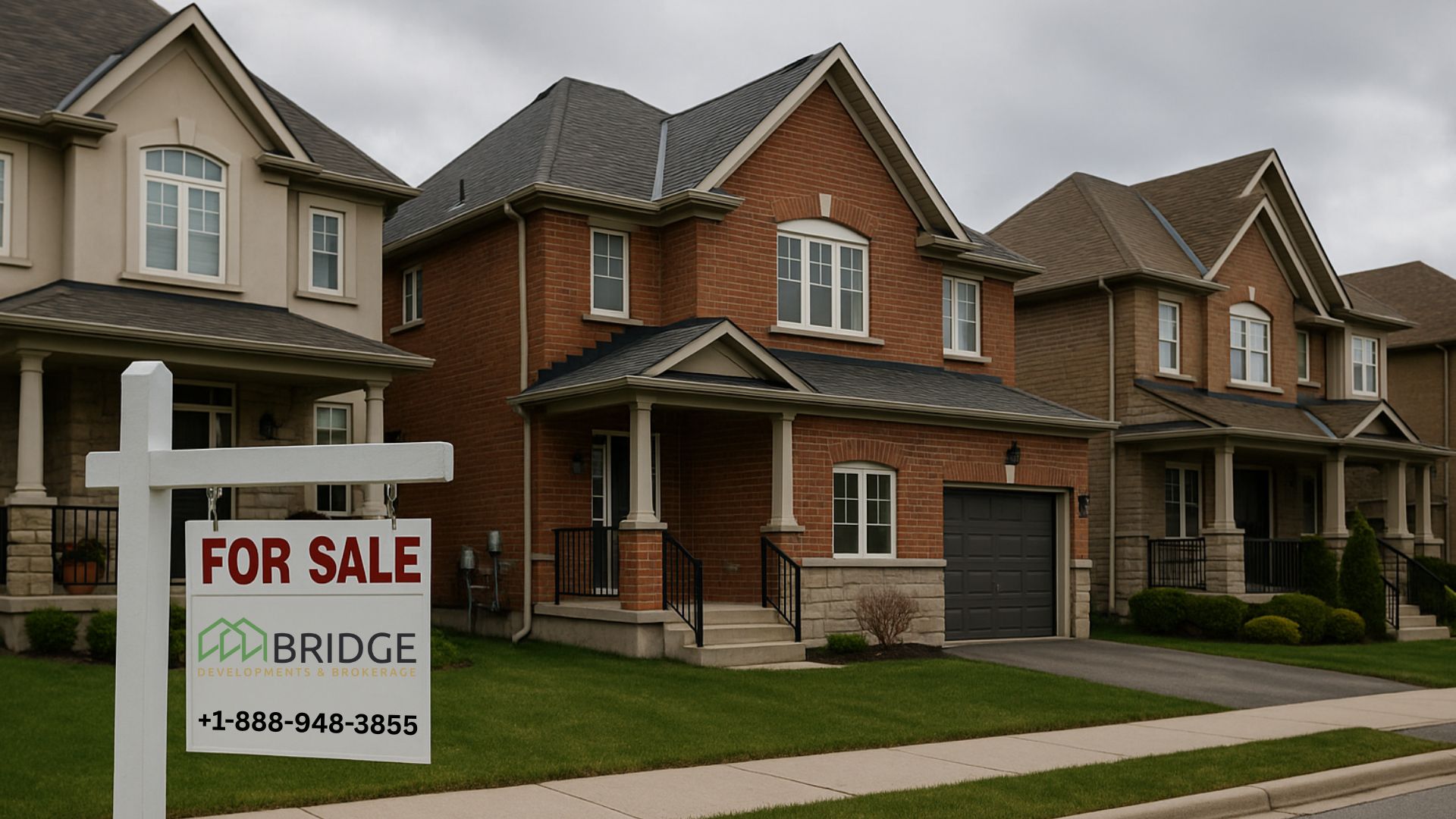
Ontario housing affordability trends in February 2026 show a market that has shifted from aggressive correction to cautious stabilization. Prices remain below peak 2022 levels, inventory is still elevated compared to historical norms, and recent Bank of Canada rate cuts have improved monthly mortgage affordability for qualified buyers.
In summary: Ontario housing affordability trends are improving moderately in early 2026 due to lower borrowing costs and sustained inventory levels, but affordability remains highly regional. Buyers have more leverage than during the pandemic surge, though not every market is equally accessible.
Table of Contents
- What’s Driving February 2026 Market Shifts?
- How Interest Rates Are Impacting Affordability
- Regional Affordability Differences in Ontario
- What This Means for Buyers in 2026
- What Investors Should Watch
What’s Driving Ontario Housing Affordability Trends in February 2026?
As of mid-February 2026, five primary factors are shaping Ontario housing affordability trends:
- Elevated Inventory: Active listings remain above 10-year averages in several regions, particularly condo-heavy urban cores.
- Price Stabilization: Year-over-year declines seen through 2024–2025 have largely flattened in Q1 2026.
- Lower Borrowing Costs: Policy rate cuts since late 2025 have reduced variable and fixed mortgage rates.
- Buyer Caution: Economic uncertainty is keeping demand disciplined rather than speculative.
- Construction Slowdowns: Housing starts remain below provincial supply targets, limiting long-term affordability relief.
Compared to November 2025, today’s market is less volatile but still offers negotiation leverage — particularly in condo and townhouse segments.

How Interest Rates Are Affecting Ontario Housing Affordability Trends
The Bank of Canada’s easing cycle that began in late 2025 has improved monthly payment affordability. While rates remain higher than pandemic-era lows, they are materially lower than 2023 peaks.
For buyers, this means:
- Improved mortgage qualification thresholds
- Slightly lower stress-test pressure
- Renewed buyer activity in sub-$900,000 segments
However, lower rates also gradually bring sidelined buyers back into the market, which may reduce negotiation leverage later in 2026.
Ready to Find Your Dream Home with Bridge ?
Whether you’re a first-time buyer or moving up to your forever home, Bridge guides you through every step — from tailored property searches to expert negotiations — so you can buy with confidence.
Regional Differences: Where Is Housing Most Affordable?
Ontario housing affordability trends vary significantly by region:
- Greater Toronto Area: Detached homes remain expensive, but condo affordability has improved.
- Hamilton & Kitchener-Waterloo: Prices are below 2022 highs, offering improved entry points.
- Eastern & Northern Ontario: Lowest average home prices province-wide.
- Secondary Cities: Balanced conditions with moderate inventory levels.
Affordability improvements are most visible in condo markets where supply increased meaningfully over the past 18 months.
What Ontario Housing Affordability Trends Mean for Buyers in 2026
If you are entering the market in February 2026:
- You likely have stronger negotiation power than in 2021–2022.
- Conditional offers are more accepted than during peak bidding wars.
- Inspection and financing protections are easier to maintain.
- Inventory gives flexibility to compare options.
This environment favors disciplined buyers who are financially prepared and data-driven rather than emotional.
Investor Outlook: Opportunity or Caution?
Ontario housing affordability trends also create selective investor opportunities:
- Entry below peak valuations
- Improved cash flow from lower borrowing costs
- Long-term upside tied to population growth
However, investors must factor in regulatory changes, tenant protections, and potential economic headwinds.
Conclusion
Ontario housing affordability trends in February 2026 reflect a market transitioning from correction to balance. Buyers have regained leverage, borrowing costs have eased, and inventory remains supportive — but structural supply shortages mean long-term affordability challenges persist.
If you’re considering buying or investing in Ontario real estate, strategic timing and local data analysis matter more than ever. Speak with a knowledgeable brokerage team to assess your exact market segment before making a move.
FAQs About Ontario Housing Affordability Trends
- Are Ontario home prices still falling in 2026?
Most markets are stabilizing rather than declining sharply. Some condo segments remain soft, while detached homes are relatively stable. - Has affordability improved compared to 2023?
Yes. Lower interest rates and price corrections since 2022 have improved monthly payment affordability for many buyers. - Is 2026 a good time to buy in Ontario?
For financially prepared buyers, early 2026 offers stronger negotiation leverage than peak pandemic years. - Which property types are most affordable?
Condos and townhomes currently offer the most improved affordability compared to detached homes.
Sources:
- WOWA – Ontario Housing Market Data
- CMHC – Housing Market Outlook
- Bank of Canada – Interest Rate Announcements